Nei moderni sistemi sanitari, le soffianti mediche non partecipano direttamente alla diagnosi o al trattamento; tuttavia, sono componenti fondamentali essenziali per garantire un ambiente medico sicuro e il funzionamento stabile delle apparecchiature mediche. La loro funzione principale...
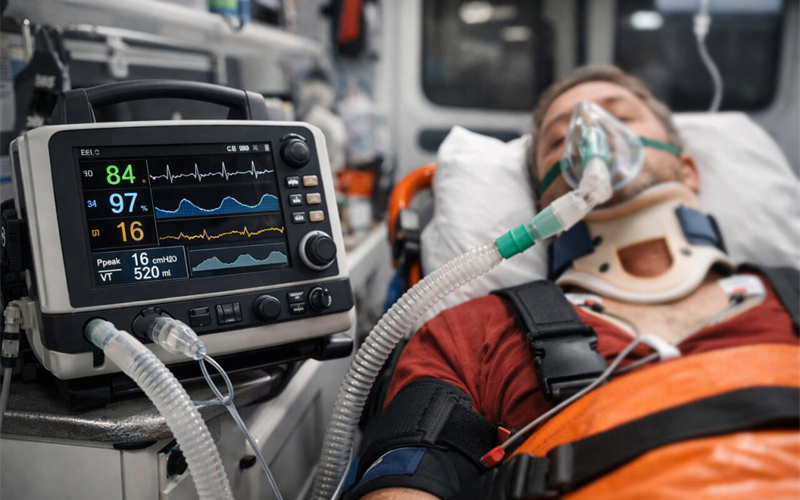
Nei moderni sistemi sanitari, i soffiatori medicali non partecipano direttamente alla diagnosi o al trattamento; tuttavia, sono componenti fondamentali essenziali per garantire un ambiente medico sicuro e il funzionamento stabile delle apparecchiature mediche. La loro funzione principale consiste nel fornire in modo continuo un flusso d'aria stabile, pulito e precisamente controllabile, offrendo un supporto affidabile per una vasta gamma di applicazioni mediche. Pertanto, i soffiatori medicali sono componenti indispensabili all'interno dei moderni sistemi medici.
I. Principali scenari applicativi
I soffiatori medicali sono ampiamente utilizzati nei seguenti ambienti medici e di ricerca:
• Sale operatorie e unità di terapia intensiva (ICU)
Fornendo un flusso d'aria continuo e stabile in coordinamento con sistemi di condizionamento dell'aria purificati, i soffiatori medicali permettono un controllo preciso della distribuzione dell'aria, della temperatura e dell'umidità, riducendo efficacemente la contaminazione aerodispersa e il rischio di infezioni crociate.
• Reparti di isolamento a pressione negativa
I soffiatori medicali vengono utilizzati per mantenere differenziali di pressione tra ambienti interni ed esterni, garantendo un flusso d'aria unidirezionale e impedendo la diffusione di agenti patogeni. Sono ampiamente impiegati nelle strutture per il controllo delle malattie infettive e per il trattamento in isolamento.
• Alimentazione d'aria per apparecchiature mediche
Forniscono una fonte d'aria continua e stabile per dispositivi salvavita come ventilatori e macchine per anestesia, assicurando un funzionamento affidabile nei momenti critici.
• Ambienti di laboratorio e farmaceutici
I soffiatori medicali soddisfano requisiti elevati di pulizia e ventilazione, garantendo l'accuratezza dei dati sperimentali e la sicurezza e stabilità dei processi produttivi farmaceutici.
• Trasporto di emergenza e sistemi ambulanza
Supportano la ventilazione del paziente durante il trasporto di emergenza, garantendo un approvvigionamento d'aria stabile anche in condizioni mobili ed emergenziali.

II. Requisiti chiave di prestazione e tecnici
Le applicazioni mediche impongono standard più elevati per le prestazioni, la sicurezza e l'affidabilità dei soffiatori, principalmente riscontrabili nei seguenti aspetti:
• Controllo della pulizia dell'aria
I soffiatori medicali sono tipicamente utilizzati in combinazione con sistemi di filtraggio ad alta efficienza per ridurre efficacemente le particelle sospese nell'aria e i microrganismi, soddisfacendo rigorosi requisiti medici di pulizia.
• Funzionamento a basso rumore
Grazie a un design strutturale e a metodi operativi ottimizzati, i livelli di rumore vengono notevolmente ridotti, minimizzando il disturbo per i pazienti e il personale medico.
• Funzionamento stabile a lungo termine
Progettati per supportare un funzionamento continuo prolungato, con possibilità di ridondanza e meccanismi di protezione multipli per applicazioni critiche, al fine di migliorare l'affidabilità complessiva del sistema.
• Regolazione e controllo preciso
La portata d'aria e la pressione possono essere regolate in modo flessibile in base a diverse condizioni operative, soddisfacendo le esigenze variate dei dispositivi medici e dei sistemi ambientali.
• Design per sicurezza e conformità
Dotato di molteplici funzioni di protezione come protezione contro il surriscaldamento e il sovraccarico, ed conforme agli standard pertinenti per dispositivi medici e sicurezza elettrica.
III. Caratteristica del prodotto — Serie 7060 Ventilatore Blower
La serie 7060 Ventilatore Blower adotta una struttura di soffiante ad alta velocità con compressore, raggiungendo un'elevata velocità di rotazione e un'uscita ad alta pressione all'interno di un fattore di forma estremamente compatto. È specificamente progettata per applicazioni di ventilazione di emergenza e supporto vitale.
Grazie al suo design altamente integrato, la serie 7060 bilancia efficacemente alte prestazioni, dimensioni ridotte e basso rumore operativo, risultando particolarmente adatta per ambienti medici con spazio limitato e requisiti rigorosi di stabilità.
In termini di adattabilità della potenza, la serie 7060 supporta diverse opzioni di tensione, tra cui 12 V, 24 V, 48 V CC e 220 V CA, consentendo un’integrazione flessibile con vari dispositivi medici e ambienti applicativi. È ampiamente utilizzata sia nelle strutture mediche fisse sia nei sistemi di emergenza mobili.
 En
En
 AR
AR
 BG
BG HR
HR
 CS
CS
 DA
DA
 NL
NL
 FI
FI FR
FR
 DE
DE EL
EL
 HI
HI
 IT
IT JA
JA
 KO
KO
 NO
NO PL
PL PT
PT RO
RO
 RU
RU
 ES
ES
 SV
SV
 TL
TL
 ID
ID
 SR
SR
 UK
UK VI
VI
 HU
HU
 TH
TH
 TR
TR
 FA
FA
 BN
BN