
May 22,2026
Baik Anda sedang merancang printer 3D presisi tinggi, peralatan otomasi medis, maupun lengan robot generasi berikutnya, memilih komponen pengendali gerak yang tepat merupakan hal krusial. Di antara berbagai jenis motor yang tersedia, motor stepper motor Stepper tetap menjadi pilihan utama para insinyur di seluruh dunia karena presisi luar biasa dan efisiensi biaya yang dimilikinya dalam sistem loop-terbuka.
Dalam panduan komprehensif ini, kami akan menjelaskan cara kerja motor Stepper motor stepper, mengeksplorasi anatomi internalnya, serta menganalisis tren pasar terkini yang saat ini membentuk industri otomasi.
1. Apa Itu Motor Stepper dan Bagaimana Cara Kerjanya?
Pada intinya, motor stepper (sering disebut juga motor langkah atau motor pulsa ) adalah motor listrik yang
membagi satu putaran penuh menjadi sejumlah langkah yang sama besar. Berbeda dengan motor DC standar yang berputar terus-menerus ketika tegangan diberikan, motor stepper bergerak dalam inkremen diskret dan presisi.
Mekanisme di Balik Gerak
Motor dikendalikan oleh pulsa listrik digital dari sebuah driver motor stepper .
• Sudut Langkah: Setiap pulsa tunggal yang dikirim ke motor menyebabkan rotor berputar sebesar sudut tertentu dan tetap (yang dikenal sebagai sudut langkah).
• Pengendalian Proporsional: Perpindahan sudut atau linear total berbanding lurus dengan jumlah pulsa yang diterima.
• Pengaturan Kecepatan: Kecepatan rotasi motor berbanding lurus dengan frekuensi denyut nadi .
Karena Anda dapat mencapai posisi yang presisi hanya dengan menghitung pulsa masukan, motor stepper menghilangkan kebutuhan akan sensor umpan balik atau encoder yang mahal, menjadikannya solusi yang sangat hemat biaya untuk sistem kontrol loop-terbuka.
2. Di Bawah Kap Mesin: Di Dalam Motor Stepper Berkualitas Tinggi
Untuk memastikan operasi yang halus, resonansi rendah, dan masa pakai yang panjang, sebuah motor stepper industri mengandalkan konstruksi mekanis berpresisi tinggi. Mari kita lihat komponen-komponen di dalamnya:
• Perakitan Stator: Ini adalah bagian luar yang diam, terdiri dari inti stator dan isolasi belitan . Ketika dialiri arus, belitan menghasilkan medan elektromagnetik yang menggerakkan rotor.
• Perakitan Rotor: Bagian dalam yang berputar, terbuat dari baja magnetik berkualitas tinggi baja magnetik (magnet permanen) dan inti rotor berlubang.
• Perangkat Keras Mekanis & Casing: Untuk memegang semua komponen secara presisi hingga sub-mikron, motor ini menggunakan penutup depan, penutup belakang, poros tengah (poros keluaran), bantalan bola presisi, dan pegas cincin (wave washers) untuk mengatur gerak aksial.
Di NINGBO LEISON MOTOR , proses manufaktur kami menjamin bahwa komponen-komponen ini diselaraskan secara sempurna, sehingga meminimalkan backlash dan memaksimalkan torsi penguncian.
3. Mengupas Klasifikasi Motor Stepper
Tidak semua motor stepper dibuat sama. Bergantung pada kebutuhan torsi, batas kecepatan, dan resolusi langkah Anda, Anda harus memilih di antara berbagai jenis.
Klasifikasi Berdasarkan Konstruksi Internal
• Motor Stepper Reluktansi Variabel (VR): Motor ini menggunakan rotor besi polos tanpa magnet. Motor ini sederhana dan hemat biaya, tetapi menghasilkan torsi lebih rendah serta sudut langkah yang lebih besar.
• Motor Stepper Magnet Permanen (PM): Menggunakan magnet permanen pada rotornya, motor ini memberikan torsi yang memadai namun umumnya terbatas pada sudut langkah yang lebih besar (misalnya 7,5° atau 15°).
• Motor Stepper Hibrida (HB): Standar emas mutlak di industri. Motor ini menggabungkan fitur terbaik dari motor VR dan PM. Motor hibrida menawarkan resolusi tinggi (biasanya sudut langkah 0,9° atau 1,8°) , torsi jepit tinggi
torsi, dan kinerja dinamis yang sangat baik. Kategori ini mencakup motor stepper yang banyak digunakan, yaitu Motor stepper NEMA 17, NEMA 23, dan NEMA 34 .
Klasifikasi Berdasarkan Jumlah Fasa
• Motor Stepper 2-Fasa: Pilihan paling populer dan hemat biaya untuk otomasi umum.
• Motor Stepper 3-Fasa: Ideal untuk aplikasi yang memerlukan gerak ultra-halus, resonansi minimal, serta tingkat kebisingan lebih rendah.
4. Tren Pasar: Mengapa Permintaan Motor Stepper Meningkat Pesat (2026–2029)
Didorong oleh meningkatnya pesatnya Industri 4.0 pabrik cerdas, dan perangkat IoT, pasar global motor stepper mengalami pertumbuhan stabil.
Menurut data industri terkini, ukuran pasar motor stepper global mencapai USD 2,15 miliar pada tahun 2024 dan diproyeksikan meningkat menjadi USD 2,411 miliar pada tahun 2029.
Pertumbuhan ini didorong oleh integrasi teknologi yang agresif di berbagai industri berteknologi tinggi:
• Robotika & Otomatisasi Pabrik: Kendaraan Terpandu Otomatis (AGV), Robot Mobile Otonom (AMR), dan presisi tinggi Mesin CNC .
• Perangkat Medis & Kesehatan: Pompa penanganan cairan otomatis, ventilator, dan peralatan pencitraan bedah.
• Otomotif & Infrastruktur 5G: Penyesuai antena stasiun pangkalan dan sistem transmisi otomotif cerdas.
• Elektronik Konsumen: printer 3D, gimbal kamera, dan peralatan rumah pintar otomatis.
Berkolaborasi dengan Produsen Motor Stepper Terpercaya: NINGBO LEISON MOTOR
Ketika meningkatkan skala produksi atau mengembangkan produk otomatis baru, pilihan pemasok komponen Anda dapat menentukan keberhasilan atau kegagalan proyek Anda.
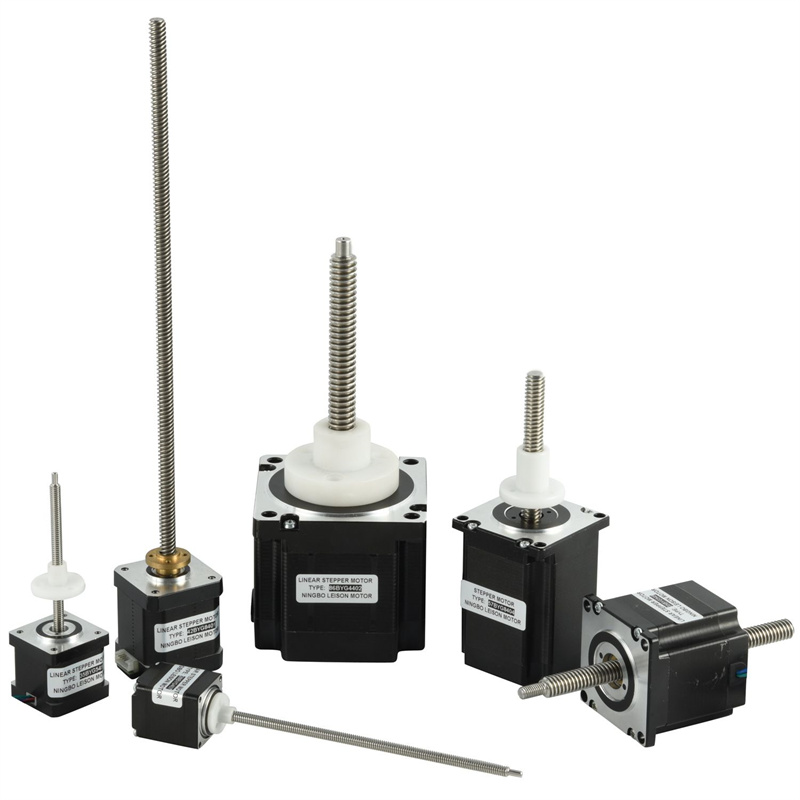
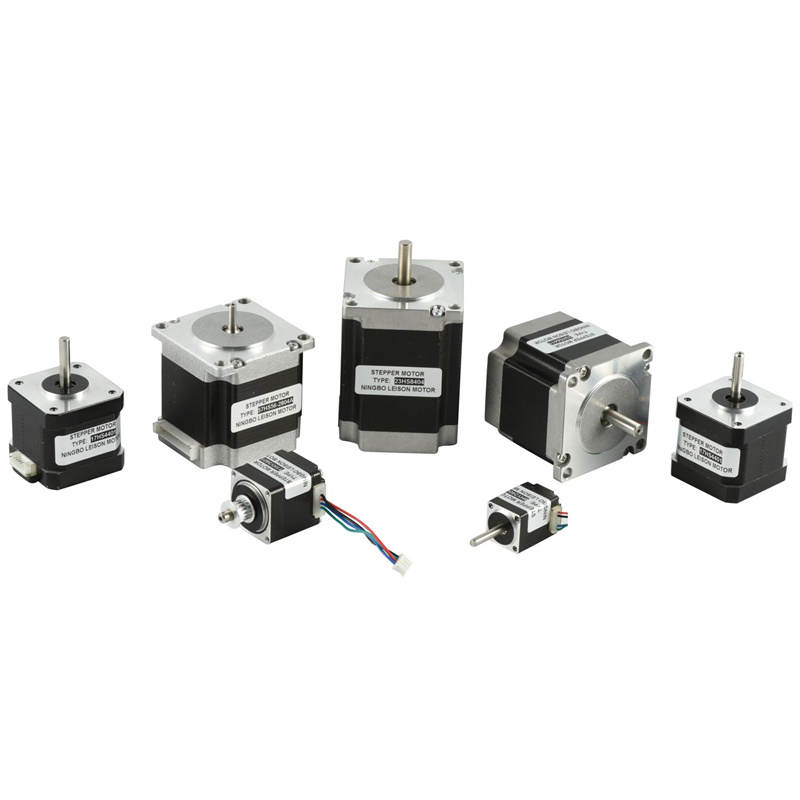
NINGBO LEISON MOTOR adalah perusahaan unggulan pabrik motor stepper dengan pengalaman manufaktur serta layanan OEM/ODM lebih dari 20 tahun. Kami tidak hanya memasok motor standar siap pakai; kami menawarkan solusi pengendali gerak terintegrasi yang komprehensif. Kemampuan kami mencakup struktur mekanis khusus, desain pengendali motor stepper khusus , serta dukungan teknis yang disesuaikan.
 En
En
 AR
AR
 BG
BG
 HR
HR
 CS
CS
 DA
DA
 NL
NL
 FI
FI
 FR
FR
 DE
DE
 EL
EL
 HI
HI
 IT
IT
 JA
JA
 KO
KO
 NO
NO
 PL
PL
 PT
PT
 RO
RO
 RU
RU
 ES
ES
 SV
SV
 TL
TL
 ID
ID
 SR
SR
 UK
UK
 VI
VI
 HU
HU
 TH
TH
 TR
TR
 FA
FA
 BN
BN