 En
 AR
 BG
 HR
 CS
 DA
 NL
 FI
 FR
 DE
 EL
 HI
 IT
 JA
 KO
 NO
 PL
 PT
 RO
 RU
 ES
 SV
 TL
 ID
 SR
 UK
 VI
 HU
 TH
 TR
 FA
 BN


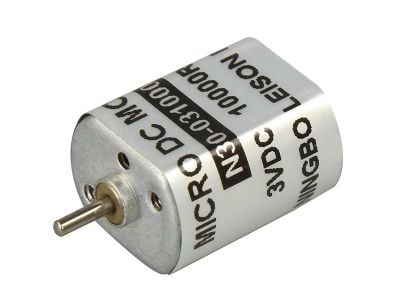
With the rise of smart home devices, seamless integration and custom specs in micro motors are actually becoming very important. This trend affects many teams from design to installation and maintenance. These motors give the needed movement and control to devices like automated blinds, smart locks, and other appliances. For purchasing managers and engineers, it is truly important to understand the parts of these micro motors, like quality needs, technical details, and installation issues. Understanding how Dc micro motors fit with smart home devices helps ensure reliable performance and simpler installation. In this article, we will actually talk about what to think about when choosing micro motors for smart homes and how to check their quality. Having a clear view of quality evaluation and installation guidance supports safer deployments.
What to consider when choosing micro motors for smart homes?
When choosing micro motors for smart home applications, there are some key things to actually think about. A good fit reduces wiring changes and future compatibility risks. First is how well the motor actually fits with the existing system and devices. Make sure the motor is actually right for the electrical specifications and mechanical requirements of the smart devices. The right fit also means reliable operation in daily life.
Second, think about the motor's capacity, including torque and speed. Micro motor brushless that do not meet these needs can cause the devices to not work right. For example an automated curtain system needs a motor with enough torque to open and close the curtains well. Getting the capacity right matters for both speed and power. Choosing an underpowered motor can lead to slow action or stalling.
Last, the customization capabilities are an important thing to actually think about. Manufacturers like LEISON MOTOR offer solutions that can be fitted to the specific needs of clients, from sizes to materials used. Customization capabilities help operators tailor the device to a space. This is useful for a wide range of smart home devices and improves installation guidance.
How to evaluate the quality of micro motors for your projects?
Checking the quality of micro motors is actually important to make sure they work well and can be trusted. This helps protect investment and reduces failure risks in smart home deployments. One key step is actually checking the certifications like IATF 16949 and ISO 9001, which show that they follow international quality standards. Motors with these certifications often have a higher level of quality control in their making process. Having tested performance data and independent audits further strengthens trust.
It is also important to actually check the test reports and performance data from the manufacturer. These give detailed information about how well the motor can work under different conditions. For example, motors used in smart home devices should be tested for how long they last and how steady they work over a long time. Real world testing includes vibration, temperature, and power fluctuations. Long term stability is a key part of quality evaluation.
Finally, feedback from other users and case studies can also help in judging quality. Good reviews and testimonials from past projects can give new buyers more trust. Collecting supplier reliability data and after sales support also matters. Real world feedback is a practical part of installation guidance.
Comparing specifications of micro motors for smart home devices.
Matching the technical details is actually important in the right choice of micro motors. Here are some key specifications that should be compared: Careful matching helps ensure smooth operation with smart home devices.
Voltage and Current Ratings: These show the power supply that is needed for the motor. The wrong voltage can actually cause overheating or damage to the motor. Choose the correct voltage to improve safety and reliability for smart home devices. Mismatches can shorten life and create safety risks.
Torque and Speed: Torque is actually important for applications that need high force, while speed is actually important in applications that need fast movement. A balance between torque and speed ensures smooth operation in daily tasks. In smart home devices, this balance helps with quiet and efficient performance.
Dimensions: The size of the motor should fit the space where it will be installed. A motor that is actually too big can cause problems in the installation. Compact dimensions make installation easier in tight spaces. Wrong size can lead to mounting challenges and extra adapters.
Material Composition: The material used to make the motor should be strong and right for the conditions of use, like moisture resistance for outdoor applications. The right material supports durability and long life for Dc micro motors in a home setting. Weather resistance matters for outdoor parts.
The right matching of specifications not only makes sure of good performance but also of the long-term service of the devices. This careful matching reduces downtime and repairs and improves overall cost efficiency of smart home devices.
Installation guidance for seamless micromotor integration.
Proper installation of micro motors is actually key for seamless integration in smart home devices. This is part of the overall project plan and helps ensure reliability. Here are some steps that can be followed: Clear steps and steps to follow improve the chances of a successful install.
Pre-Installation Checks: Before starting the installation, make sure that all parts and tools are actually complete. Also check the electrical connections and the compatibility of the motor with the system. A quick pre-installation check saves time and avoids missing parts. Compatibility with the system includes software and hardware interfaces.
Wiring and Connections: Follow the right wiring diagrams that the manufacturer gives. A wrong connection can cause damage to the motor or wrong operation of the device. Double check color coding and shielding to minimize risk. Secure connections ensure stable performance.
Testing Before Final Installation: Before closing the installation, test the motor to make sure that it works well. It is actually important to check its functions under normal operation. Testing is part of the quality evaluation and helps reveal issues early. Running functions under normal operation confirms reliability.
Documentation: Keep all the documentation of the installation, including the warranty and technical specifications, for future reference and maintenance. Good documentation supports ongoing quality evaluation and future upgrades. Technical specifications are useful for future troubleshooting.
Following the right steps in installation can help avoid problems in the future and make sure the smart home devices work the right way. This approach aligns with quality evaluation and long term installation guidance.
Common problems with micro motors and their solutions.
Even with the good quality of micro motors, there are common problems that can actually happen. Here are some of them and the solutions: Knowing these common problems helps with proactive maintenance. Regular checks and keeping spare parts on hand support smooth operation.
Overheating: This can happen if the motor is actually run outside the rated voltage or load. Make sure the power supply is actually right and do not overload the motor. Overheating can reduce efficiency and raise safety concerns in smart home devices. Ensure the power supply matches the motor's ratings.
Noise and Vibration: A mismatch in the mounting or wrong bearings can cause noise and vibration. Check the alignment of the motor and change the bearings if needed. Noise and vibration can disturb comfort and indicate mounting issues. Proper alignment prevents wear and keeps devices quiet.
Intermittent Operation: If the motor does not run well, there may be a problem with the wiring or electrical connections. Check the connections and change the broken parts. Intermittent operation often points to loose wires or bad contacts. Replace damaged parts and recheck the circuit.
Wear and Tear: The parts of the motor can wear out over time. Regular maintenance and inspection can help find the issues before they get bad. Wear and tear is normal but can be slowed with proper care. Scheduled checks help catch issues early.
Finding these problems early and using the right fix can make the motor last longer and make sure it works in a way that can be trusted in smart home applications. Early detection supports quality evaluation and ensures lasting performance for micro motors. When fixes are timely, installation guidance remains accurate for future updates.
Table of Contents
- What to consider when choosing micro motors for smart homes?
- How to evaluate the quality of micro motors for your projects?
- Comparing specifications of micro motors for smart home devices.
- Installation guidance for seamless micromotor integration.
- Common problems with micro motors and their solutions.